Vagus Nerve Stimulation, HRV and Athletic Recovery: What the Evidence Shows
Vagus nerve stimulation is marketed to athletes for recovery and performance. The evidence is mixed — recovery markers sometimes improve, performance mostly does not.
Browse & Search
Explore our collection of evidence-based articles on vagus nerve stimulation, covering mechanisms, clinical applications, and the latest research findings.

Vagus nerve stimulation is marketed to athletes for recovery and performance. The evidence is mixed — recovery markers sometimes improve, performance mostly does not.

Vagus nerve stimulation is marketed for weight loss and metabolic health. The best evidence shows effects that are statistically detectable but clinically trivial — or absent.

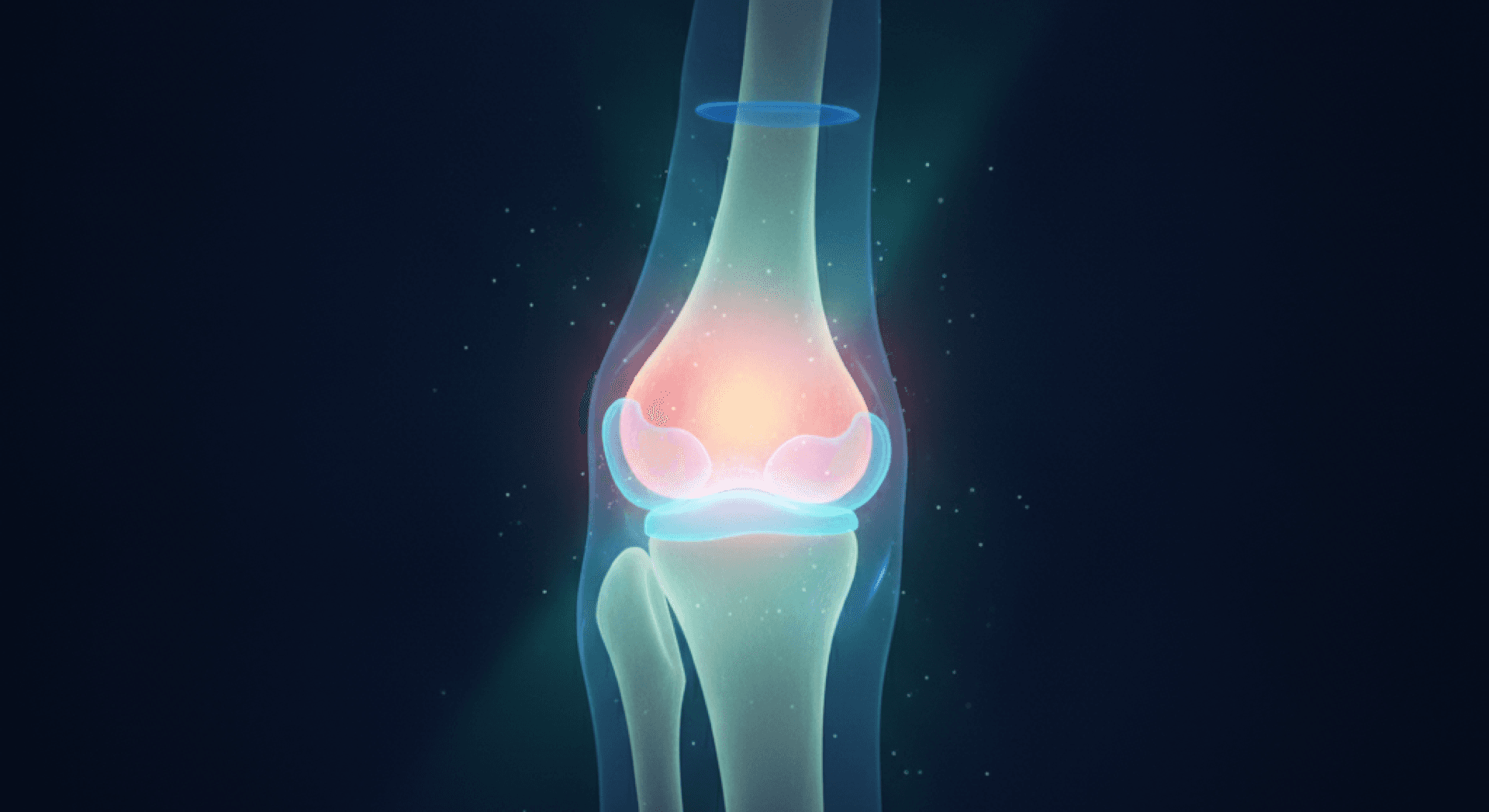
The evidence for vagus nerve stimulation in fibromyalgia is genuinely thin — one small invasive pilot and one unblinded trial that found no clear benefit. Here is an honest account.

Two small randomised trials suggest ear-based vagus nerve stimulation may ease constipation-predominant IBS. Here is what the evidence shows — and where it falls short.

Early trials of vagus nerve stimulation in Crohn's disease and ulcerative colitis are encouraging but small. Here is an honest account of what the evidence does and does not show.

An honest look at vagus nerve stimulation for long COVID — where the best controlled trials actually stand, and why the science remains unproven.

A small randomised trial suggests non-invasive vagus nerve stimulation may reduce postural tachycardia in POTS. Here is an honest look at that early evidence.

Rheumatoid arthritis is where vagus nerve stimulation has its strongest anti-inflammatory evidence — including a pivotal randomised trial. Here is what that evidence actually shows.

An exploration of the emerging research on vagus nerve stimulation as a potential tool for addressing addiction and substance use disorders.

A review of the clinical trial evidence for vagus nerve stimulation in heart failure, including the landmark ANTHEM-HF and INOVATE-HF studies.

An overview of the emerging research on vagus nerve stimulation as a potential therapeutic approach for Parkinson's disease.

A comprehensive review of vagus nerve stimulation for migraine — covering clinical trial evidence, mechanisms involving trigeminal-vagal pathways and cortical spreading depression, and comparison with current therapies.

An in-depth review of how vagus nerve stimulation targets the neural circuits underlying PTSD — from preclinical breakthroughs in fear extinction to landmark clinical trials showing complete loss of diagnosis.

How VNS paired with rehabilitation drives targeted neuroplasticity to restore motor function after stroke — from the preclinical science at UT Dallas to FDA approval and long-term outcomes.

How VNS paired with sound therapy targets the maladaptive auditory cortex reorganisation that generates tinnitus — from the landmark Nature study to emerging non-invasive approaches.

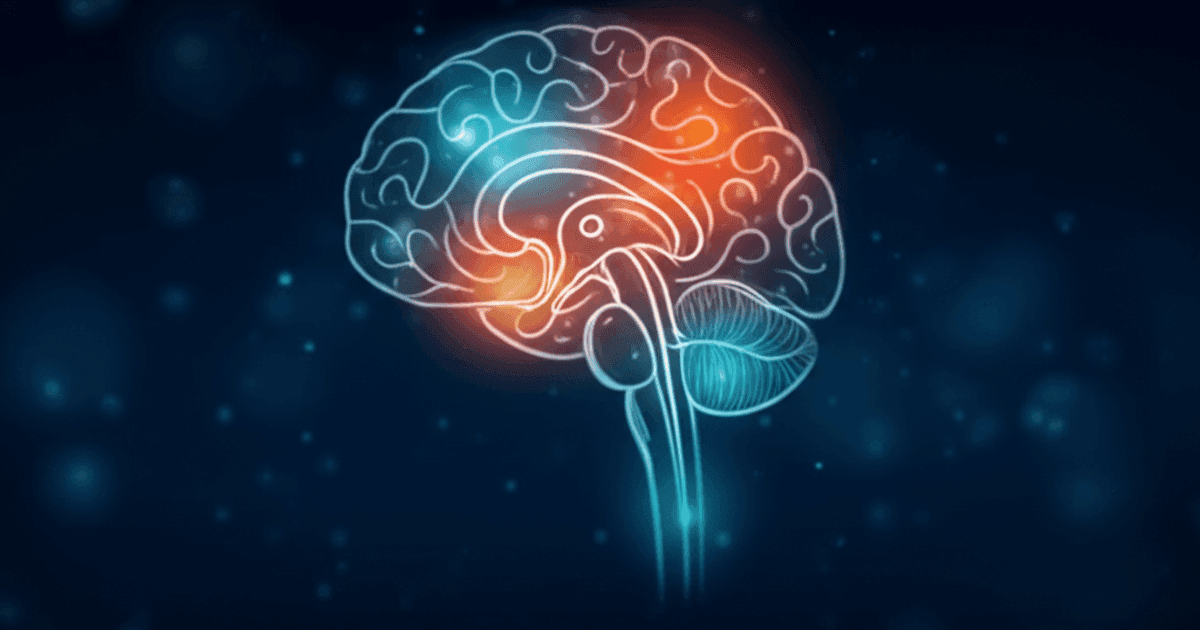
Exploring the evidence that vagus nerve stimulation may enhance memory, attention, and cognitive performance through noradrenergic modulation.

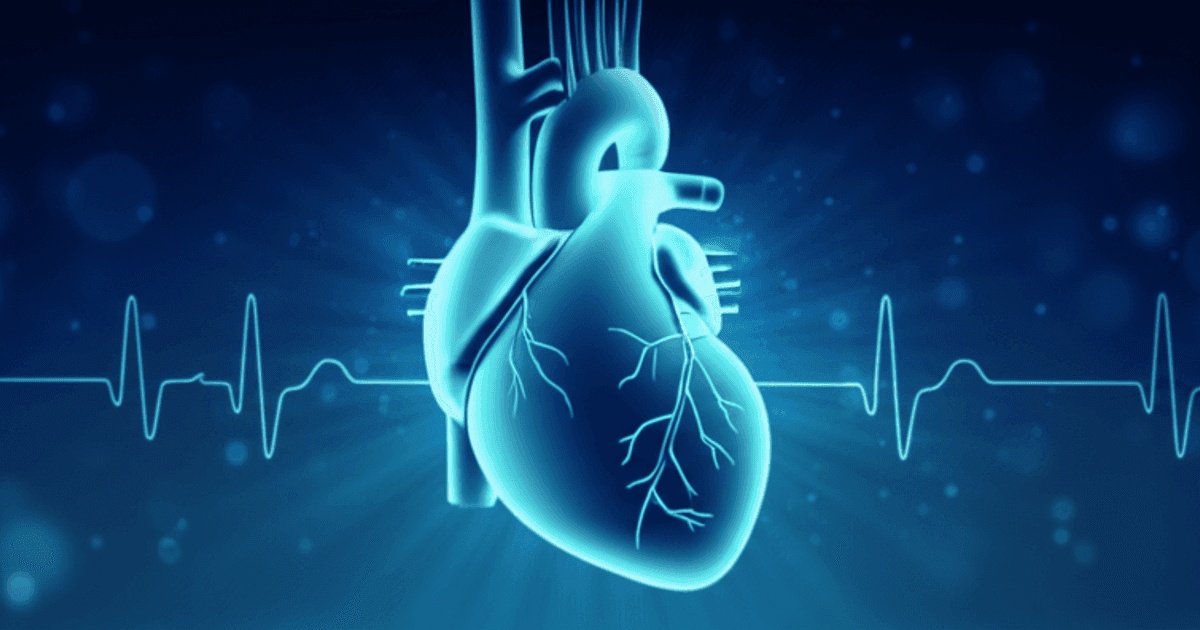
How vagus nerve stimulation influences heart rate variability — a key biomarker of autonomic health — and what this means for clinical applications.

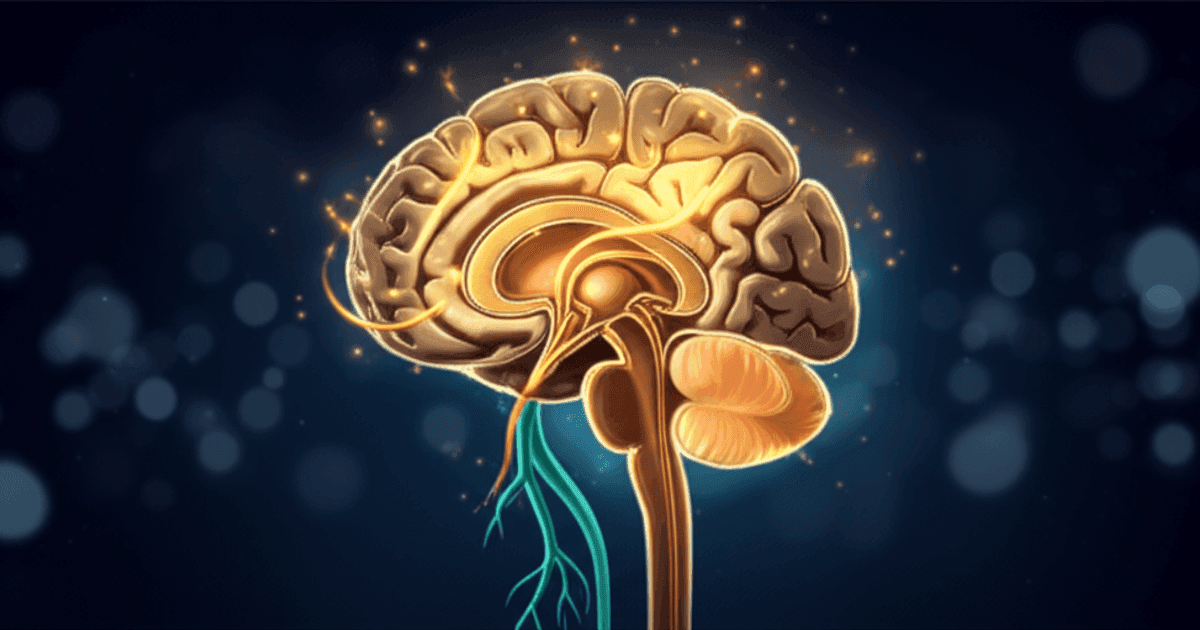
How vagus nerve stimulation promotes neural plasticity — from BDNF expression to stroke rehabilitation to enhanced learning.

A review of the evidence for vagus nerve stimulation in pain management — from migraine to fibromyalgia to chronic pain conditions.

A comprehensive review of how vagus nerve stimulation — both implanted and transcutaneous — is being investigated as a treatment for major depressive disorder.

A review of the growing evidence that vagus nerve stimulation may improve sleep quality by modulating autonomic balance and brain networks involved in the sleep–wake cycle.

A comprehensive overview of vagus nerve stimulation — what it is, how it works, and what the research shows.

How vagus nerve stimulation activates the body's built-in anti-inflammatory circuit — and what clinical trials show about its potential for inflammatory conditions.

How the vagus nerve connects the gut and brain, and what the evidence shows about VNS for gastrointestinal conditions including Crohn's disease and IBS.

A detailed analysis of the safety profile of vagus nerve stimulation across 177 peer-reviewed studies.

Epilepsy was the first condition treated with VNS and remains the most established application. Here's what three decades of evidence show.

An evidence-based review of how vagus nerve stimulation may help manage anxiety through autonomic regulation.