Vagus Nerve Stimulation and Gut Health: The Gut–Brain Axis
Introduction: The Vagus Nerve as the Gut–Brain Highway
The concept of a "gut feeling" is more than metaphor. The gastrointestinal tract and the brain are in constant bidirectional communication through a network of neural, hormonal, and immune pathways collectively known as the gut–brain axis. At the centre of this axis sits the vagus nerve — the longest cranial nerve in the body, with approximately 80% of its fibres carrying sensory information from the viscera to the brain (Berthoud & Neuhuber, 2000).
The vagus nerve innervates nearly the entire gastrointestinal tract, from the oesophagus to the transverse colon. It regulates gastric motility, acid secretion, intestinal permeability, and the secretion of digestive enzymes. It also serves as a conduit for signals from the gut microbiome to the brain — a communication pathway that has become one of the most active areas of research in neuroscience and gastroenterology.
Given this intimate relationship between the vagus nerve and gut function, vagus nerve stimulation (VNS) has emerged as a logical therapeutic target for gastrointestinal disorders. This article reviews the role of the vagus nerve in gut health and the evidence for VNS in conditions including inflammatory bowel disease, irritable bowel syndrome, and disorders of gastric motility.
The Vagus Nerve and Gastrointestinal Function
Motor Functions
The vagus nerve is the primary neural regulator of gastrointestinal motility. Vagal efferent fibres release acetylcholine at the myenteric plexus, stimulating smooth muscle contraction and coordinating the peristaltic movements that propel food through the digestive tract. Reduced vagal tone is associated with delayed gastric emptying (gastroparesis) and diminished intestinal motility.
Sensory Functions
Vagal afferent fibres transmit information about gut distension, nutrient content, and local inflammatory signals to the brainstem. These signals influence appetite, satiety, nausea, and the subjective experience of gastrointestinal discomfort. Critically, vagal afferents also detect signals from the gut microbiome — including short-chain fatty acids and microbial metabolites — and relay this information to the brain (Bonaz et al., 2018).
Immune Regulation
The vagus nerve plays a central role in controlling gut inflammation through the cholinergic anti-inflammatory pathway (Tracey, 2002). In the intestinal wall, vagal efferent signalling helps maintain the balance between pro-inflammatory and anti-inflammatory immune responses. Reduced vagal tone has been associated with increased intestinal inflammation and compromised barrier function.
VNS for Inflammatory Bowel Disease
The Rationale
Inflammatory bowel disease (IBD), encompassing Crohn's disease and ulcerative colitis, involves chronic inflammation of the gastrointestinal tract. The cholinergic anti-inflammatory pathway provides a direct mechanism through which VNS could reduce intestinal inflammation. Additionally, IBD patients consistently show reduced vagal tone as measured by HRV, suggesting that restoring vagal function could have therapeutic value (Pellissier et al., 2014).
Crohn's Disease: The Bonaz Pilot Study
The most significant clinical evidence for VNS in IBD comes from Bonaz et al. (2016), who conducted a pilot study of implanted VNS in seven patients with moderate-to-severe Crohn's disease. After six months of chronic VNS:
- Five of seven patients achieved clinical remission
- Endoscopic healing was observed in several patients
- CRP levels decreased, indicating reduced systemic inflammation
- Digestive symptoms improved alongside reductions in inflammatory markers
Two patients did not respond and required rescue therapy, but for the responders, the improvements were sustained and clinically meaningful. The study demonstrated that VNS could address Crohn's disease through a mechanism entirely distinct from conventional immunosuppressive therapy. For a dedicated review, including newer paediatric taVNS data, see VNS for inflammatory bowel disease.
Mechanistic Insights
The anti-inflammatory effects of VNS in IBD are thought to operate through multiple pathways:
1. Systemic CAP activation — Reducing circulating pro-inflammatory cytokines through the splenic circuit
2. Local enteric effects — Direct vagal innervation of the intestinal wall may modulate local immune responses
3. Barrier function — VNS may help restore intestinal barrier integrity, reducing bacterial translocation and the inflammatory cascade it triggers
Ongoing Trials
Several clinical trials are currently investigating VNS for IBD, including studies of both implanted and transcutaneous approaches. The field is moving toward larger, controlled trials that can confirm the pilot data and identify optimal treatment protocols.
VNS and Gastric Motility
The transVaGa Study
Hong et al. (2019) conducted a pilot study (transVaGa) investigating the effect of taVNS on gastrointestinal muscle activity in healthy volunteers. Using electromyography, they demonstrated that taVNS modulated gastrointestinal motility — providing physiological evidence that non-invasive stimulation can influence gut motor function.
Gastroparesis
Gastroparesis — delayed gastric emptying in the absence of mechanical obstruction — is a condition directly linked to vagal dysfunction. While gastric electrical stimulation (a different technology from VNS) has been used for gastroparesis, the vagus nerve's role in gastric motility makes VNS a logical investigational approach. Preliminary data suggest that VNS may enhance gastric motility, though clinical trials specifically in gastroparesis are limited.
Post-Operative Ileus
Post-operative ileus — the temporary cessation of bowel function after abdominal surgery — is a common surgical complication driven by inflammation and autonomic dysfunction. Preclinical studies have shown that VNS can accelerate the recovery of gastrointestinal motility after surgical manipulation, potentially through activation of the CAP and direct modulation of enteric neural circuits (de Jonge et al., 2005).
VNS and Irritable Bowel Syndrome
Irritable bowel syndrome (IBS) is a functional gastrointestinal disorder characterised by abdominal pain, bloating, and altered bowel habits without identifiable structural pathology. The pathophysiology is thought to involve gut–brain axis dysfunction, visceral hypersensitivity, altered motility, low-grade inflammation, and dysregulated autonomic function.
The rationale for VNS in IBS is multifaceted:
- Autonomic rebalancing — IBS patients often show reduced parasympathetic and elevated sympathetic activity. taVNS may help restore autonomic balance.
- Visceral pain modulation — Vagal afferent stimulation may modulate pain processing in the brainstem and cortex, reducing the visceral hypersensitivity that characterises IBS.
- Anti-inflammatory effects — Low-grade mucosal inflammation has been identified in a subset of IBS patients, and CAP activation could address this component.
- Mood regulation — Given the high comorbidity of IBS with anxiety and depression, the neuropsychiatric effects of VNS may provide additional benefit. Disrupted gut function is also closely linked to poor sleep quality, and VNS may address both concerns through shared autonomic pathways.
Clinical evidence for VNS in IBS remains limited to small studies, but the biological rationale is strong and several trials are underway. For a closer look at the recent randomised trials, see our dedicated review of VNS for irritable bowel syndrome.
The Gut Microbiome Connection
Bidirectional Communication
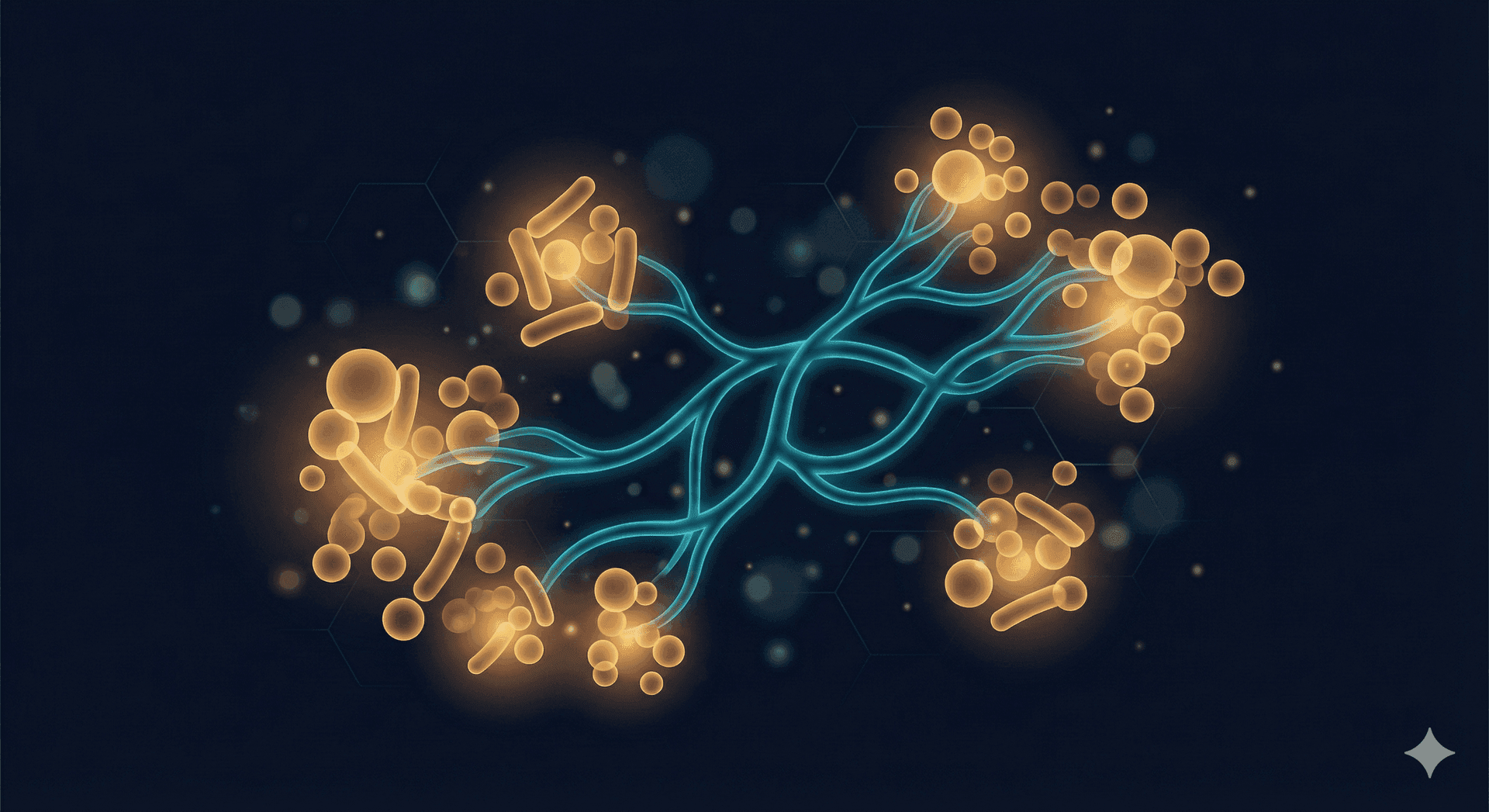
An emerging area of research concerns the interaction between VNS, the vagus nerve, and the gut microbiome. The vagus nerve serves as a key communication pathway between gut microbes and the brain. Microbial metabolites — including short-chain fatty acids, tryptophan derivatives, and secondary bile acids — activate vagal afferents, influencing brain function, mood, and behaviour (Bonaz et al., 2018). This gut–brain signalling pathway is now attracting particular attention in Parkinson's disease, where the "gut-first" hypothesis proposes that pathological alpha-synuclein may originate in the enteric nervous system and propagate to the brain via the vagus nerve.
Can VNS Influence the Microbiome?
The question of whether VNS can alter the composition or function of the gut microbiome is an active area of investigation. By modulating gut motility, intestinal permeability, local immune responses, and the autonomic environment of the gut, VNS could plausibly influence the ecological conditions that shape the microbiome. However, direct evidence in humans is currently lacking, and this remains a speculative but intriguing hypothesis.
Limitations and Future Directions
Current Limitations
- Small, uncontrolled studies — The clinical evidence for VNS in gastrointestinal conditions is largely based on pilot studies and case series, with few randomised controlled trials
- Heterogeneous protocols — Stimulation parameters, treatment duration, and outcome measures vary widely across studies
- Implanted vs transcutaneous — The strongest evidence (Crohn's disease) comes from implanted VNS, and it remains unclear whether transcutaneous approaches can deliver comparable benefits for gut conditions
- Mechanism complexity — The gut–brain axis involves multiple overlapping pathways, making it difficult to isolate the specific contribution of vagal stimulation
Promising Directions
- Bioelectronic medicine for IBD — The Crohn's disease pilot data have catalysed interest in VNS as a fundamentally different approach to IBD that could reduce reliance on immunosuppressive medications
- Personalised stimulation — Monitoring real-time gastric motility or HRV to adjust stimulation parameters could optimise therapeutic outcomes
- Combined approaches — Investigating whether VNS can enhance the efficacy of dietary, probiotic, or pharmacological interventions for gut conditions
- Microbiome studies — Systematic investigation of how VNS affects gut microbial composition and function
Conclusion
The vagus nerve is the body's primary neural link between the gut and the brain, and its role in regulating gastrointestinal motility, inflammation, and immune function makes it a compelling therapeutic target. The pilot evidence for implanted VNS in Crohn's disease is particularly striking, demonstrating that a neuromodulation approach can achieve clinical remission in an inflammatory bowel condition.
For transcutaneous VNS, the evidence in gastrointestinal conditions is earlier-stage but biologically plausible. The convergence of the gut–brain axis, the cholinergic anti-inflammatory pathway, and the autonomic regulation of gut function provides a rich mechanistic framework for continued investigation.
The gut is, in many ways, the vagus nerve's home territory — and the therapeutic potential of modulating this nerve for digestive health is only beginning to be explored.
---
References
Berthoud, H.R. & Neuhuber, W.L. (2000). Functional and chemical anatomy of the afferent vagal system. Autonomic Neuroscience, 85(1–3), 1–17.
Bonaz, B. et al. (2016). Chronic vagus nerve stimulation in Crohn's disease: a 6-month follow-up pilot study. Neurogastroenterology & Motility, 28(6), 948–953.
Bonaz, B. et al. (2018). The vagus nerve at the interface of the microbiota–gut–brain axis. Frontiers in Neuroscience, 12, 49.
de Jonge, W.J. et al. (2005). Stimulation of the vagus nerve attenuates macrophage activation by activating the Jak2-STAT3 signaling pathway. Nature Immunology, 6(8), 844–851.
Hong, G.S. et al. (2019). Effect of transcutaneous vagus nerve stimulation on muscle activity in the gastrointestinal tract (transVaGa). International Journal of Colorectal Disease, 34(3), 417–422.
Pellissier, S. et al. (2014). Relationship between vagal tone, cortisol, TNF-alpha, epinephrine and negative affects in Crohn's disease and irritable bowel syndrome. PLoS ONE, 9(9), e105328.
Tracey, K.J. (2002). The inflammatory reflex. Nature, 420(6917), 853–859.